
Exterior Surfaces That Handle Seasonal Exposure
Siding replacement and updates in Post Falls for homes with damaged panels, fading paint, or exterior surfaces compromised by moisture infiltration and UV degradation
North Idaho's climate cycles between heavy winter precipitation, summer UV exposure, and freeze-thaw fluctuations that crack and warp aging siding materials—you see this as paint peeling in large sections, warped panels that no longer sit flush against the wall, or visible gaps where siding has pulled away from trim boards and allowed water to reach the sheathing underneath. Siding replacement and updates handled by Majestic Builders LLC address these failures by removing compromised materials, repairing any underlying moisture damage to wall sheathing or framing, and installing new siding products selected for durability in changing seasonal conditions. The work restores the weather barrier that prevents wind-driven rain from penetrating wall cavities and provides a finished appearance that withstands years of sun exposure without fading unevenly.
The installation process involves inspecting sheathing for rot or water staining before new siding goes up, replacing damaged sections to create a sound substrate that won't telegraph imperfections through the new exterior surface. Housewrap or moisture barriers are applied over sheathing to shed water that might slip behind siding panels during wind-driven storms, and flashing details around windows and doors prevent leaks at penetration points. Siding materials like fiber cement or engineered wood resist the moisture absorption and dimensional changes that cause traditional wood siding to crack and split after repeated wetting and drying cycles.
Schedule a siding inspection to identify damaged panels, underlying moisture issues, and material options suited to your home's exposure and maintenance preferences.
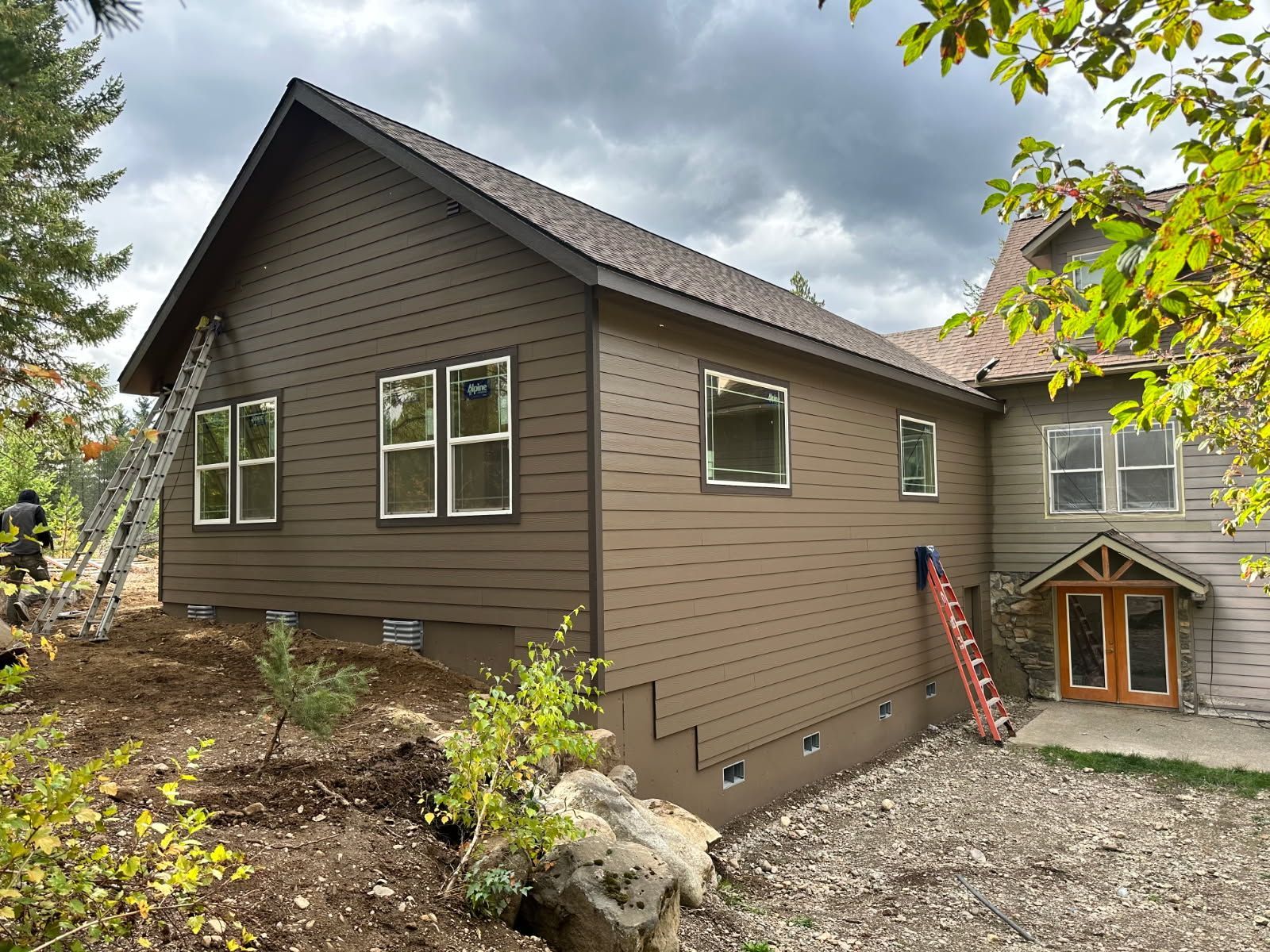
What Siding Replacement Actually Accomplishes
Proper installation requires leveling starter strips and maintaining consistent panel overlap so that water sheds downward without channeling behind edges where it can saturate sheathing over time. Trim boards are caulked and painted with exterior-grade products that flex with temperature changes rather than cracking and allowing moisture entry, and corner details are flashed to prevent the leaks common where two wall planes meet. Fiber cement siding, when used, is face-nailed through sheathing into wall studs to prevent wind uplift, and joints are sealed to block insect entry and drafts.
After replacement, you'll notice uniform color across all wall surfaces without the streaking or fading that developed on the old siding, panels that sit flat against the wall without warping or buckling, and trim boards that maintain clean lines without gaps where caulk has failed. The exterior sheds rain effectively without water stains appearing below windows or at foundation level, and the surface resists mildew growth that previously required annual cleaning. Energy efficiency often improves as drafts around windows and doors are sealed during the siding update, reducing heat loss during winter months.
The scope of work ranges from replacing individual damaged sections on otherwise sound siding to full re-siding of the entire home, often coordinated with window replacement or exterior painting to address all weatherproofing and appearance issues in a single project. Homes with chronic moisture problems may need sheathing repairs before new siding can be installed, adding complexity but preventing future rot from progressing behind fresh exterior materials.
Questions Before Starting Your Project
Homeowners preparing for siding work often ask about material choices, installation timelines, and how the project addresses both appearance and weather protection.
What siding material performs best in North Idaho conditions?
Fiber cement resists moisture absorption better than wood and doesn't support insect activity, while engineered wood products offer wood grain appearance with improved dimensional stability—both handle freeze-thaw cycles more reliably than vinyl, which can crack in extreme cold.
How does siding replacement improve energy efficiency?
Removing old siding allows installation of modern housewrap and proper flashing details that weren't standard when many older homes were built, reducing air infiltration and improving the thermal envelope's effectiveness at keeping conditioned air inside.
What happens if sheathing damage is found during removal?
Majestic Builders LLC removes and replaces affected sheathing sections with exterior-grade plywood or OSB, then treats surrounding areas to prevent further rot before proceeding with moisture barrier and siding installation.
When should siding replacement include window updates?
If window frames show rot or leaks and they're more than 20 years old, replacing them during siding work eliminates the need to disturb new siding later and allows proper integration of window flashing with the new weather barrier system.
How long does siding replacement take for a typical home?
Most single-family homes require one to three weeks depending on size and complexity, with additional time needed if extensive sheathing repairs are required after old siding is removed.
Majestic Builders LLC approaches siding replacement with attention to the underlying weather barrier systems and structural repairs that extend the service life of your home's exterior. Request a free estimate to review your current siding condition and discuss material options appropriate for long-term durability.