More Living Space Without Relocating
Home additions and expansions in Post Falls for properties where bedrooms, kitchens, or living areas no longer accommodate household size or changing needs
Growing families, multi-generational living arrangements, or the shift to remote work often reveal that a home's existing square footage can't support how the space is now being used—bedrooms double as offices, dining areas become permanent workstations, and lack of separation between activity zones creates constant noise and interruptions.
Majestic Builders LLC handles home additions by designing and building new rooms or expanded areas that integrate structurally and visually with your existing home, matching rooflines, siding materials, and interior finishes so the addition reads as original construction rather than an obvious attachment. The work involves foundation planning, framing that ties into existing load-bearing walls, and exterior finishes that withstand North Idaho's seasonal freeze-thaw cycles without separating at connection points.
The planning phase addresses setback requirements, utility line locations, and how the addition affects drainage patterns around the property—adding square footage changes where rainwater sheds and can create pooling problems if grading isn't adjusted accordingly. Structural integration requires anchoring new framing to the existing foundation and wall studs, then matching roof pitches so snow loads distribute evenly without creating stress points where old and new construction meet. Interior finish work continues the flooring, trim, and paint selections from adjacent rooms to maintain visual continuity.
Arrange an on-site home addition consultation to review your property's buildable area and discuss layout options that fit your spatial needs.
What You Notice Once Home Expansion Is Finished
Construction begins with foundation work and framing, followed by rough-in of electrical, plumbing, and HVAC systems before insulation and drywall close the walls—this sequence ensures that mechanical systems extend properly from the main house without leaving underserved zones. Siding and roofing installations happen concurrently with interior work to weatherproof the addition quickly, preventing moisture intrusion during the finish phase. Heating and cooling capacity calculations determine whether the existing HVAC system can serve the added square footage or needs supplemental equipment to maintain comfort throughout the expanded home.
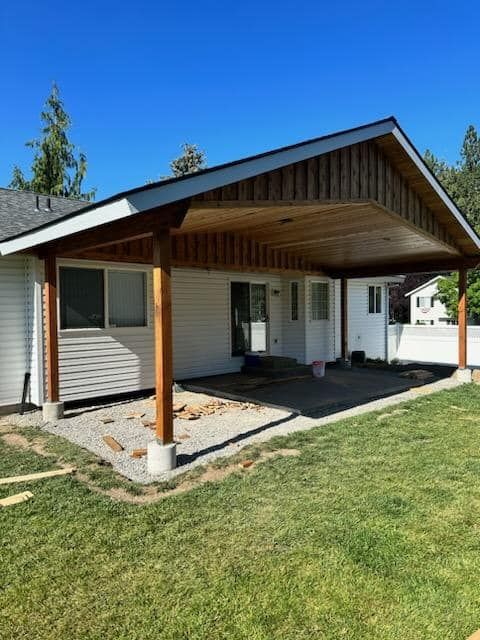
After completion, you'll notice dedicated spaces that serve specific functions without repurposing existing rooms—bedrooms stay bedrooms, offices provide door closure and separation from household activity, and expanded kitchens offer the counter and storage space that eliminates appliance crowding on limited surfaces. Flooring transitions between old and new areas align flush without height differences that create trip hazards, and paint colors flow continuously across the addition without visible seams or mismatched sheens. The roofline appears uniform from the street, and siding weathers at the same rate without obvious color variation between original and added sections.
Addition projects vary widely in scope—some involve bumping out a kitchen by eight feet to add an island and pantry storage, while others add entire second stories or wing sections with multiple bedrooms and bathrooms. Permitting requirements and structural complexity increase with size, though even modest expansions require engineering to confirm that foundations support the additional load and that the existing structure can handle the tie-in points without compromising integrity.
Answers to Frequent Service Questions
Property owners considering additions often ask about permitting, integration with existing structures, and how new space affects property value and taxes.
What permits does a home addition require?
Most additions need building permits that include structural, electrical, and plumbing inspections, plus zoning review to confirm the expansion doesn't violate setback requirements or exceed allowable lot coverage—permitting timelines vary but typically add two to four weeks before construction begins.
How do you match siding and roofing on additions to existing materials?
Majestic Builders LLC identifies your current siding profile and roofing shingle line, sourcing matching or compatible products, though some weathered materials may require replacing sections of the original exterior to achieve uniform appearance across the entire structure.
When should you expand up versus out?
Single-story additions require more yard space and foundation work but avoid structural complications of second-story loads, while vertical expansions preserve outdoor areas but demand engineering to confirm that existing walls and foundations can support the added weight.
Why does drainage matter for additions in North Idaho?
Winter snowmelt and spring rains create significant water volume around foundations—additions alter roof drainage patterns and ground coverage, so grading adjustments and gutter extensions prevent water from pooling against the new foundation or migrating toward the original structure.
How does adding square footage affect property taxes?
Assessed value increases based on the added livable area, typically raising annual property taxes proportional to the expansion size, though exact amounts depend on local assessment rates and your home's current valuation.
Majestic Builders LLC manages home additions with attention to structural integration, permitting, and finish details that make new construction blend seamlessly with your existing home. Contact us to schedule an estimate and discuss how additional space would address your household's specific needs.